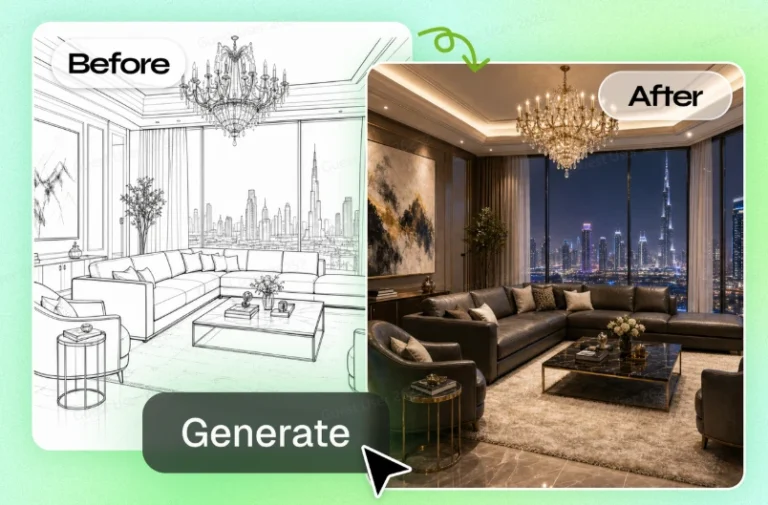
From Property Photos to 3D Virtual Experiences: AI Is Changing
They see beautiful photos of a renovated kitchen, a spacious living room, and a bright bedroom. Everything looks appealing, but one important question remains:
How does the entire home connect together?
Where is the living room compared to the kitchen? How large are the bedrooms? Does the layout match the buyer’s lifestyle?
This is one of the biggest challenges in digital real estate marketing. Photos to 3D Virtual capture individual moments, but they do not always communicate the complete experience of a property.
Artificial intelligence is changing this by helping real estate professionals transform simple property images into more informative and interactive visual experiences.
The Problem With Traditional Property Listings
Real estate marketing has always depended on strong visuals. Professional photography, videos, and staging have become standard tools for attracting buyers.
However, traditional listing materials still have limitations.
Photos show appearance, but not always structure.
A buyer may understand what a room looks like but still struggle to imagine:
- How spaces are connected
- Whether furniture placement makes sense
- How the property flows from one area to another
- Whether the layout fits their daily needs
This gap between seeing a property and understanding a property can affect buyer confidence.
Turning Photos Into Practical Floor Plans
One of the first steps toward better property visualization is converting images into understandable layouts.
Instead of relying only on photographs, AI technology can analyze visual information and help create structured floor plans.
A photo to floor plan workflow allows real estate professionals to transform property images into clearer spatial representations.
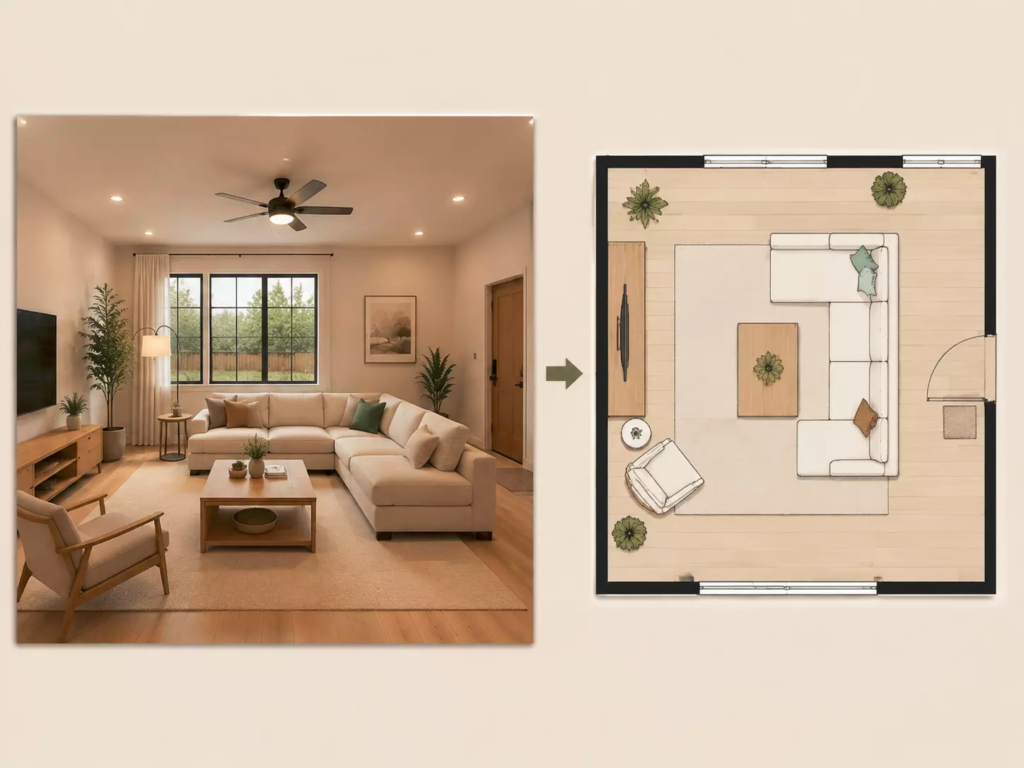
This approach can be useful for:
- Real estate agents preparing listings
- Homeowners planning renovations
- Property managers updating documentation
- Designers evaluating existing spaces
By starting with images that are already available, professionals can create additional marketing materials without complicated manual drafting processes.
Why Layout Understanding Matters for Buyers
Buying a property is not only an emotional decision. It is also a practical one.
Buyers consider questions such as:
- Will my furniture fit?
- Is there enough space for my family?
- Does the room arrangement match my lifestyle?
- Can I easily move between different areas?
A floor plan provides information that photos alone cannot deliver.
For example, a family looking for a new home may care about the relationship between the kitchen, dining area, and living space. A remote buyer may want to understand the property layout before deciding whether to schedule a visit.
Clear spatial information helps buyers make decisions with greater confidence.
The Next Step: Creating Immersive 3D Experiences
While 2D floor plans improve understanding, modern buyers increasingly expect more interactive experiences.
This is where 3D visualization becomes valuable.
With AI technology, professionals can create a 3D floor plan visualization that provides a more realistic view of a property.
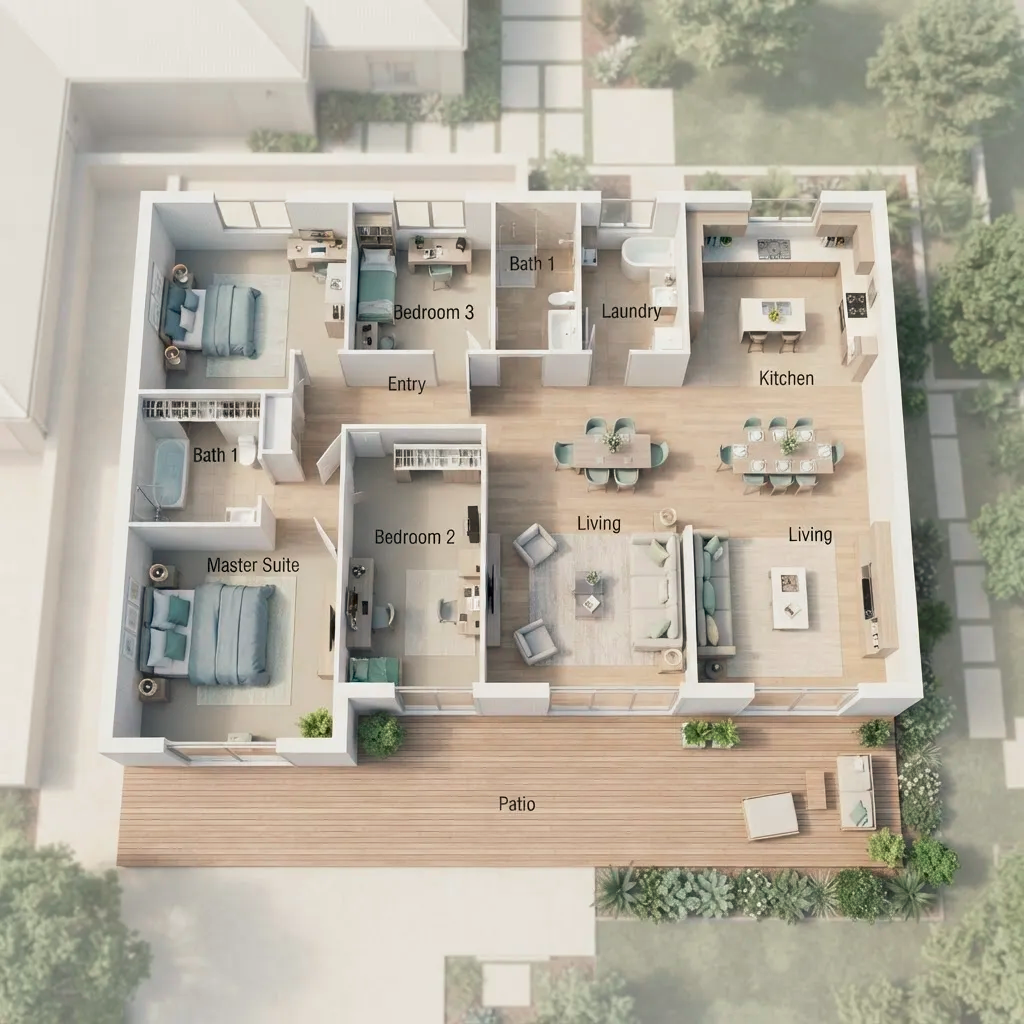
Instead of viewing a flat drawing, buyers can better imagine:
- Room proportions
- Furniture placement
- Interior possibilities
- Movement through the home
This creates a stronger connection between the buyer and the property.
A New Workflow for Real Estate Professionals
The traditional process of preparing advanced property visuals often required multiple tools and professional expertise.
AI is simplifying this workflow.
A modern property presentation process can look like this:
Step 1: Capture Property Images
Agents or homeowners collect photos of the existing space using standard cameras or smartphones.
Step 2: Generate a Floor Plan
AI analyzes the images and helps create a structured layout that communicates the property’s organization.
Step 3: Enhance the Experience With 3D Visualization
The floor plan can become a more immersive experience, helping potential buyers better understand the space.
Step 4: Share With Potential Buyers
The final visuals can be included in online listings, presentations, and digital marketing campaigns.
This workflow allows professionals to create richer property experiences without adding unnecessary complexity.
Helping Vacant Properties Stand Out
One area where AI visualization can have a particularly strong impact is vacant homes.
Empty rooms often make it difficult for buyers to imagine the property’s potential.
A blank living room may not communicate:
- How furniture could be arranged
- How the space could be used
- What lifestyle the home supports
Enhanced visual experiences help buyers see possibilities rather than limitations.
This can make property listings more engaging and encourage stronger interest.
The Future of Real Estate Visualization
The way people explore properties is continuing to evolve. Future real estate experiences may combine virtual tours, interactive property listings, and personalized recommendations to help buyers make informed decisions. Similarly, Kastanienhof Moers highlights how local destinations can attract visitors by offering a distinctive experience and a welcoming atmosphere.
- AI-generated floor plans
- Interactive 3D environments
- Virtual walkthroughs
- Personalized design suggestions
- Smart property recommendations
The goal is not simply to show properties online. It is to help buyers experience them before they physically arrive.
Conclusion
Real estate marketing is moving beyond traditional photos and descriptions. Buyers want more information, more confidence, and better ways to understand properties remotely.
AI-powered visualization tools are helping bridge the gap between images and experiences.
By transforming property photos into floor plans and creating immersive 3D presentations, real estate professionals can provide more engaging listings and help buyers make better decisions.
The future of property marketing will belong to those who can combine technology with storytelling — turning simple images into complete digital experiences.