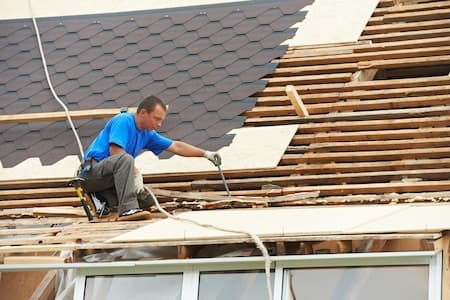
Roof Repairs and Community Bonds: Building a Safer Tomorrow Together
Good roofs protect families, possessions, and peace of mind. Regular roof maintenance and timely roof repairs reduce hazards, lower long-term costs, and preserve home value. When neighbors work together on prevention and repair, communities become more resilient to storms, leaks, and aging infrastructure. This article explains why roof upkeep matters, practical maintenance steps, how communities can organize joint efforts, funding and safety tips, and the broader social benefits of cooperative action.
Why Roof Maintenance Matters
Roof maintenance prevents small problems from becoming emergencies. Shingles that lift, flashing that corrodes, and clogged gutters let water into walls and attics, causing rot, mold, and structural damage. Addressing issues early through scheduled inspections and minor roof repairs reduces the need for costly replacements. Well-maintained roofs also improve energy efficiency by preserving insulation and preventing drafts, which lowers heating and cooling bills across households.
Common Signs That Roof Repairs Are Needed
Recognizing symptoms early saves money and risk. Look for missing or curling shingles, dark streaks or stains, sagging sections, and granules in gutters—each signals deterioration. Interior indicators include water stains on ceilings, peeling paint, or musty attic smells. After storms, inspect for punctures, displaced tiles, and loosened flashing. Timely identification allows targeted roof repairs rather than complete roof overhaul.
Simple Preventive Maintenance Steps
Routine care prevents many problems without specialized skills. Clean gutters and downspouts seasonally to avoid water backup. Trim overhanging branches to reduce debris and prevent limb damage during storms. Replace cracked or missing sealant around vents and chimneys, and remove moss or algae that lift shingles. For safety, use ladders properly and consider hiring professionals for steep or high roofs. These preventive actions extend a roof’s life and minimize emergency roof repairs.
When to Hire Professionals for Roof Repairs
Some issues require licensed roofers. Large leaks, extensive shingle loss, structural sagging, and complex flashing work need professional assessment and repair. Professionals provide proper materials, warranties, and safe access equipment. Hire contractors with local licensing, positive reviews, and clear written estimates. Confirm insurance and ask for references. Professional roof repairs can be more cost-effective than repeated DIY fixes and reduce liability risks.
Organizing Neighborhood Roof-Check Days
Communities can band together to spot roof problems early. Organize a neighborhood roof-check day where volunteers visually inspect gutters, eaves, and visible shingles from ground level, documenting issues for follow-up. Pair less mobile residents with neighbors who can help coordinate. Share checklists and safety guidelines ahead of time. This cooperative approach surfaces repair needs quickly and builds trust and mutual responsibility among neighbors.
Cooperative Repair Programs and Shared Resources
Pooling skills and resources lowers costs for individual households. Communities can create cooperative repair funds, tool-sharing libraries, or lists of trusted local roofers who offer bulk discounts. Volunteer teams can help with low-risk maintenance tasks—clear gutters, clean debris, or remove garden overgrowth—while reserving roof repairs for licensed contractors. Such programs reduce financial barriers to timely roof repairs and increase overall neighborhood safety.
Funding Options and Practical Assistance
Not every household can afford immediate roof repairs. Explore funding options like local government repair grants, community microgrants, nonprofit housing assistance, and low-interest loans. Some municipalities offer emergency repair funds for storm damage. Crowdfunding and neighborhood fundraising events can also help close shortfalls. When organizing funding, prioritize transparency and clear criteria so assistance reaches the most vulnerable households.
Safety Practices for Community Work
Safety must be central to any community maintenance effort. Prohibit untrained residents from climbing steep roofs. Provide basic safety training for volunteers, including ladder safety, proper footwear, and weather considerations. Ensure personal protective equipment (gloves, eye protection) is available for ground-level tasks. For any work above single-story or involving structural elements, insist on professional roof repairs to prevent injuries and liability.
Environmental and Long-Term Benefits
Timely roof repairs and upkeep reduce waste and conserve resources. Repairing a roof when needed extends its usable life and delays full replacement, lowering material consumption. Properly sealed roofs improve home energy efficiency, cutting emissions from heating and cooling. Community-wide maintenance programs help neighborhoods adapt to climate risks by reducing flooding and mold threats, creating greener, more sustainable living environments.
Strengthening Community Bonds Through Shared Action
Working together on roof care builds social capital. Shared projects foster relationships, trust, and reciprocal help that extend beyond maintenance—neighbors who collaborate on roof repairs are likelier to assist with childcare, emergency support, and local advocacy. Regular meetups for maintenance create opportunities for skill-sharing and deeper civic engagement, turning routine upkeep into a foundation for stronger, safer communities.
Planning for Disasters and Extreme Weather
Prepared neighborhoods fare better during storms. Create and rehearse community response plans that include rapid roof assessments and prioritized roof repairs for households most at risk. Maintain contact lists of licensed roofers and volunteer teams ready to clear debris after storms. Store basic supplies—tarps, nails, plywood—to perform temporary weatherproofing until professional roof repairs can be arranged. Proactive preparation reduces chaos and accelerates recovery.
Conclusion
Roof repairs and regular maintenance protect individual homes and strengthen neighborhood resilience. When communities coordinate inspections, pool resources, share safety knowledge, and support vulnerable households, they lower costs, prevent emergencies, and deepen social bonds. A culture of shared responsibility transforms routine maintenance into collective insurance—keeping roofs sound and neighbors safer tomorrow.