AI-Powered Construction Estimating and the Future of Faster Project Bidding
Construction bidding is becoming more demanding as contractors compete for tasks with tighter closing dates and an increasing number of precise requirements. Preparing a dependable estimate frequently involves reviewing loads of drawing info, specifications, portions, efforts, assumptions, and labor charges in advance of submitting a suggestion can be submitted.
Traditional estimating techniques can take a lot of time, especially when a contractor is coping with several bid possibilities at the same time.
How Technology Reduces Time and Errors in Construction Estimating
Manual measurements and spreadsheet-based calculations may also create opportunities for overlooked portions or inconsistent pricing.
For contractors seeking greater performance, Construction Estimating Services Florida can provide faster analysis of project cost data, even as supporting companies put together portions, labor, materials, and awesome prices more efficiently.
Artificial intelligence is along with every other layer in this method. Modern estimating systems can observe digital drawings, discover repetitive elements, prepare measurements, and help estimators with huge quantities of undertaking statistics.
However, AI is not absolutely changing estimators. Its extra value comes from lowering repetitive work and permitting skilled experts to spend extra time reviewing complex information, comparing risks, and making business choices.
How AI Is Changing Construction Estimating
AI-powered estimating begins with digital project information. Drawings, specifications, schedules, and other documents can be processed through the use of software programs designed to interpret production-associated data.
Instead of manually counting each repeated issue, an AI-assisted tool may also perceive comparable symbols or factors and help produce initial quantities. This can notably reduce the time required for repetitive takeoff tasks.
AI can also assist in arranging massive datasets. Material costs, tough artwork prices, historical assignment statistics, and provider records can be introduced collectively to offer estimators a greater overall view of project expenses.
The technology is especially useful when estimating firms have multiple duties competing for attention. Faster preliminary analysis gives professionals extra time to investigate crucial scope data earlier than a bid ultimate date.
Key benefits of AI-assisted estimating include:
- Faster assessment of large drawing sets.
- Reduced repetitive measurement work.
- Better integration of project information.
- Quicker identification of capability scope gaps.
- Easier assessment with historical project data.
- More time for expert evaluation and enterprise evaluation.
| Feature / Process Step | Traditional Estimating | AI-Powered Estimating | Impact on Bid Process |
| Blueprint Analysis | Manual review line-by-line | Automated pattern recognition & scaling | Up to 70% faster initial takeoff |
| Quantity Takeoff | Manual counting on paper/PDFs | Machine learning object detection | Significantly reduces repetitive measurements |
| Material & Cost Updates | Manual lookup in static spreadsheets | Integration with live cost databases | Protects margins against sudden price spikes |
| Risk & Gap Analysis | Relies on manual visual spot-checks | Algorithmic cross-checks across MEP/CAD sets | Catch missing items before bid submission |
| Estimator Role Focus | 80% measuring / 20% strategy | 20% verification / 80% strategic bidding | Allows bidding on a higher volume of projects |
Improving Quantity Takeoffs With Intelligent Tools
Quantity takeoff is one of the maximum time-eating additives of creating estimates. A mission may additionally encompass loads of character additives that want to be measured, counted, labeled, and priced.
AI can assist by spotting patterns in digital drawings and helping estimators find repeated elements. This is particularly beneficial for projects with large numbers of similar rooms, furnishings, mechanical components, or electrical devices.
For specialized mechanical work, local information can also be precious. Duct Takeoff Services can assist contractors and task businesses that want organized ductwork portions for initiatives across precise markets.
AI-assisted tools could make the initial dimensioning process faster; however, the resulting portions though want to be checked. Drawings can consist of uncommon conditions, overlapping information, unclear annotations, and format changes that computerized systems may not interpret successfully.
The super workflow therefore combines automation with human verification. AI handles repetitive assessment at the same time as skilled estimators confirm whether or not the portions are truly in scope for the project.
The Role of Modern Estimating Technology
The destiny of estimating isn’t always based mostly on one software program software program software program. Instead, it includes more than one technology working collectively.
Digital takeoff tools can connect measurements with fee databases. Cloud systems permit groups to get proper access to up-to-date files from different places. Estimating software can set up efforts, materials, equipment overhead, and markup.
Machine getting to know also can emerge as more beneficial as agencies construct ancient databases. Past obligations can offer valuable statistics about difficult work productivity, material intake, and fee patterns.This creates a more flexible estimating system in which contractors can consider options instead of generating a single fixed amount.
Making Bids Faster Without Sacrificing Quality
Speed is essential; however, rapid estimating creates rate whilst the final numbers stay reliable. A rushed estimate with missing portions can be more detrimental than a slower estimate that has been properly reviewed.
AI helps with this project by lowering the amount of manual work required, i.e., early-stage evaluation. Estimators can spend much less time on repetitive measurements and further time checking high-value or excessive-danger regions.
A realistic AI-assisted workflow can include:
- Collecting the ultra-modern drawings and specs.
- Uploading and organizing digital project files.
- Using software programs to understand preliminary quantities.
- Reviewing computerized measurements manually.
- Applying modern cloth and tough work pricing.
- Checking exclusions, allowances, and scope gaps.
- Reviewing the very last estimate earlier than submission.
This machine can assist contractors in responding to more possibilities without routinely increasing their internal estimating department.
Commercial Advantages for Contractors
Faster estimating can create a direct industrial benefit. Contractors that could look at extra possibilities within a restricted timeframe and have greater flexibility when selecting projects
AI can also help control agencies look at potential jobs more efficiently. Instead of spending excessive time preparing each estimate in complete detail, preliminary assessments can help decide whether or not or now not an opportunity deserves deeper studies.
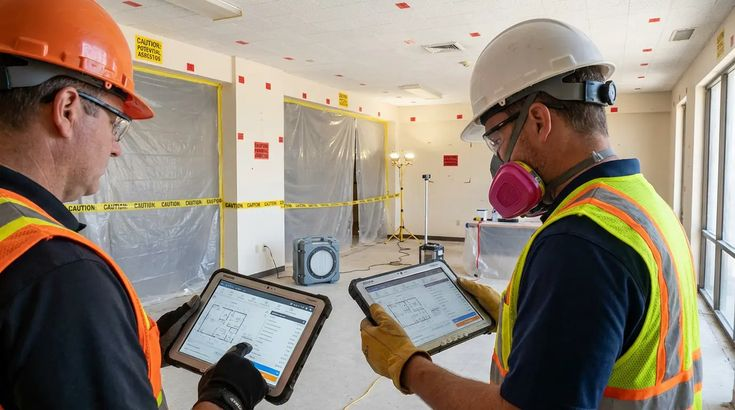
Another benefit is consistency. However, contractors despite the fact that want strong internal controls. Software should not be allowed to make important pricing alternatives with out professional oversight, especially on complex projects in which small scope mistakes may also create significant financial losses.
Human Expertise Still Matters
Despite fast technological development, skilled estimators stay vital. Construction obligations aren’t always as straightforward as a PC-generated quantity list might probably advise.
Professionals understand how drawings interact with specs, internet site on-line situations, set up techniques, subcontractor responsibilities, and project schedules. They can apprehend when an apparently simple amount calls for added labor or unique materials.
Human judgment is likewise critical whilst deciphering incomplete facts. An expert estimator can perceive uncertainty and decide whether or not to request explanation, include an allowance, or make a documented assumption.
Building the Next Generation of Bid Workflows
The future of construction bidding will probably incorporate connected digital workflows in preference to isolated estimating duties. Drawings, takeoffs, pricing databases, procurement records, and change-management systems can more and more speak with each other.
This creates a possibility for contractors to lessen information gaps and enhance consistency from the initial bid through task completion. Historical estimates can also become valuable statistical assets of statistics for future initiatives.
Design documentation will live an critical part of this environment. CAD Drafters can help keep accurate virtual drawings, incorporate revisions, and assist verbal exchange amongst formatting and estimating companies.
As AI systems emerge as higher at construction documents, their role in preliminary evaluation and bid education is probably to expand. Contractors that adopt these tools thoughtfully can gain time while keeping expert management over essential options.
Read more: Revit vs. AutoCAD: Which One Does Your Project Actually Need?
Final Thoughts
AI-powered estimating is remodeling how construction organizations technique amount takeoffs, estimate prices, and prepare bids. Its extraordinary benefit isn’t always proper automation; it’s the ability to lessen repetitive work and provide experts extra time to focus on accuracy, hazard, and profitability.
The most effective technique will integrate realistic generation with skilled human judgment. Contractors that bring together green digital workflows these days can reply to possibilities greater speedy, test duties greater cautiously, and prepare aggressive bids without dropping sight of long-term enterprise dreams.
Frequently Asked Questions
1. What is AI-powered manufacturing estimating?
It is the use of artificial intelligence and virtual estimating tools to help with drawing assessment, quantity takeoffs, fee calculations, and bid preparation.
2. Can AI mechanically do a production estimate?
AI can automate components of the process; however, professional assessment is still essential to confirm portions, interpret task requirements, and affirm pricing assumptions.
3. How can AI make bidding quicker?
It can lessen repetitive data entry and information gathering, allowing estimators to spend more time reviewing scope, costs, and potential risks.
4. Is AI useful for specialized quantity takeoffs?
Yes. AI-assisted tools can help with a wide variety of quantity takeoffs, despite the fact that specialised scopes nonetheless require informed specialists to verify the results.
5. Will AI replace estimators?
AI is more likely to replace the estimator’s function than replace the estimator. It will replace the estimator’s automation for repetitive obligations while focusing on judgment, risk assessment, and business decisions.